
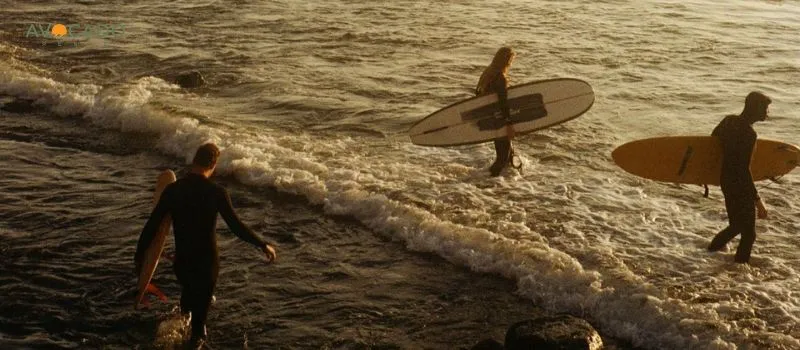
There is something deeply magnetic about Medewi. Tucked away on the untamed southwest coast of Bali, this peaceful village offers a profound antidote to the fast-paced, high-performance scene found down south. Here, the landscape is defined by vast coconut groves, dramatic black sand, and a tight-knit community of locals who share a deep reverence for the ocean.
But the real magic lies just off the cobblestone headland: Bali’s longest left-hand point break.
Unlike the steep, bone-crunching barrels of Uluwatu or Padang Padang, Medewi is legendary for its mechanical, slow-rolling, and incredibly long walls of water. On a good day, a single wave can peel seamlessly for over 300 meters, giving you a massive open face to carve, cruise, and refine your style.
Because Medewi is a unique geographic feature on Bali’s west coast, timing your trip requires a clear understanding of Indonesia’s seasonal changes. Winds, swells, and tides all play a critical role in shaping these iconic waves.
The Peak Dry Season (June – August): Raw Power and Size
The winter months in the Southern Hemisphere are the absolute peak season for raw ocean energy across Indonesia. Deep low-pressure systems tracking across the Southern Ocean unleash massive, long-period South-Southwest (S-SW) groundswells that march straight toward Bali.
The Surf Environment
If you are looking for size, power, and maximum consistency, this is the window to target. During these months, the swell regularly pushes wave heights up to head-high or double-overhead. Because Medewi sits over a deep, wide bay with a forgiving underwater gradient, it handles large swells beautifully without closing out.
The Midday Trade Wind Trap
While the swells are reliable, June through August presents a unique meteorological puzzle: the strong Southeast (SE) trade winds. By 9:30 AM, these trade winds kick in heavily. Because of Medewi’s southwest-facing orientation, a SE wind acts as a strong cross-onshore breeze, rendering the wave face choppy, bumpy, and section-heavy by late morning.
The Expert Strategy: If you visit during the peak dry season, you must commit to the Dawn Patrol. At sunrise (around 6:00 AM), the wind is almost always dead calm or gently blowing offshore from the North-Northeast. You must get your surfing done in those early morning hours before the trade winds wake up.
The Shoulder Dry Season (April, May, September, October): The Intermediate Sweet Spot
For surfers who value clean, glassy conditions over raw wave size, the shoulder months are frequently considered the true golden window for Medewi.
Flawless Conditions with Fewer Crowds
During April, May, September, and October, the harsh Southeast trade winds are far less dominant. You will experience a much higher percentage of light, variable winds, meaning the ocean can stay glassy and smooth well into the afternoon.
The swells during the shoulder season are slightly smaller but incredibly clean and well-organized. This provides the perfect mechanical, tapering walls that intermediate shortboarders and longboarders dream about. As an added bonus, the mid-summer holiday crowds thin out significantly, giving you a relaxed, high-vibe atmosphere in the lineup.
The Wet Season (November – March): The Clean, Playful Secret
Most general Bali surf guides will tell you to avoid the west coast entirely during the wet season (the Northwest Monsoon). They will advise you to pack your bags and head to the east coast to escape the stormy, onshore mess. However, Medewi is a brilliant exception to this rule.
Favorable Monsoon Winds
When the rainy season sets in, the wind switches to the West-Northwest (W-NW). For Medewi’s unique headland, a North or Northwest wind actually blows directly offshore.
While the massive winter groundswells drop off during these months, the Indian Ocean continues to pump out highly consistent, short-to-medium period swells. The combination of playful, chest-to-head-high waves and clean offshore winds creates an incredible playground.
The Hidden Months: February and March
Historical surf data highlights February and March as two of the cleanest months of the year for Medewi. During this time, the wind aligns perfectly offshore up to 40% of the month. The waves are smooth as glass, the water is warm, and the lineup is practically empty.
A Wet Season Note: Because Medewi sits next to a river mouth, heavy tropical downpours can wash muddy water and organic debris into the bay. The water quality usually clears up within 24 to 48 hours after a heavy storm, but it is something to keep in mind when tracking conditions.
Summary of Seasonal Conditions
To help you decide when to book your trip, look at the seasonal breakdown below:
| Season | Months | Wave Style | Wind Profile | Who It’s Best For |
| Peak Dry | June – August | Heavy, large, highly consistent | Strong SE trade winds by midday; glassy at sunrise | Advanced surfers, shortboarders, early risers |
| Shoulder Dry | Apr, May, Sept, Oct | Medium to large, clean walls | Light, variable winds; extended glassy windows | Intermediates, longboarders, crowd-evaders |
| Wet Season | Nov – March | Smaller, playful, mushier | NW Monsoon creates clean offshore conditions | Longboarders, cruisers, progressing learners |
The Golden Rule of Medewi: Never Forget the Tide
No matter what season you choose to visit, your daily surf sessions will always be governed by the tide. Because Medewi is a cobblestone point break, a low tide drains the water completely off the reef, exposing a hazardous minefield of sharp, slippery volcanic boulders and sea urchins.
To ensure a safe and enjoyable session, always aim to surf on a mid-to-high incoming tide. A full tide provides a deep, safe cushion of water over the rocks, making the wave break softly and allowing for an easy entry and exit from the shoreline.
Recharge Your System at Avocado Resto
Paddling against a sweeping point current and riding waves that last for hundreds of meters is an incredible experience, but it takes a heavy toll on your body. By the time you navigate the final stretch of rocks and walk up the beach, your shoulders will be burning and your energy reserves will be completely empty.
That is exactly why アボカドレストラン was created. Located just a short distance from the main break, our restaurant is designed to be the ultimate sanctuary for hungry surfers.
Our menu focuses heavily on fresh, whole, nutrient-dense ingredients engineered for physical recovery and hydration. Whether you need a massive, protein-packed Avocado Toast after scoring a flawless Dawn Patrol session, a refreshing, cold-pressed green juice to replenish your electrolytes, or a vibrant tropical smoothie bowl to cool down after a midday surf, we have you covered.
Stop by, check the local tide charts hanging in our cafe, grab a nourishing bite, and connect with our wonderful community of ocean lovers. No matter the season, the waves and our kitchen are always ready for you.
アボカドレストラン
📍 Jl. Widuri Simpang Tiga, Medewi, Jembrana, Bali
📞 081338546264
✉️ eat@avocadoresto.com
🌐 www.avocadoresto.com