

In Bali, flavor begins long before cooking it starts in the soil. Every grain of rice, chili, and coconut carries the island’s volcanic DNA, absorbing minerals that define their color, texture, and taste. In West Bali, the land itself is a silent chef, seasoning crops through its unique blend of volcanic ash, coral sand, and mineral-rich clay. When you eat here, you don’t just taste food you taste the island’s geology, climate, and history in one bite.
The Living Earth Beneath the Plate
The volcanic slopes of Mount Batukaru breathe life into Jembrana’s fertile andosol soil. These porous, nutrient-holding earths can trap twice as much water as typical clay, encouraging slow, concentrated root growth. The result? Red rice grains that are sweeter, nuttier, and packed with anthocyanins natural antioxidants that give them a rich, earthy hue. Laboratory tests at Udayana University found that these paddies hold 45 mg/kg of bioavailable iron, making a single serving of this rice a natural source of strength and energy.
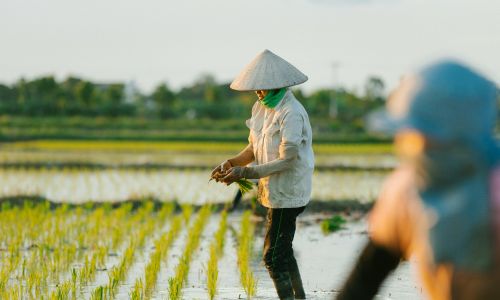
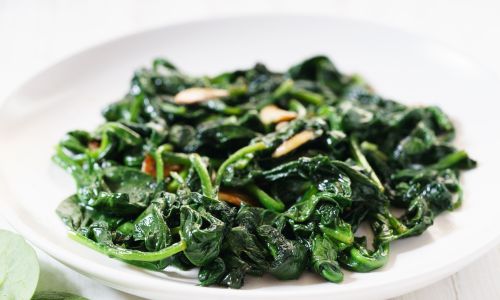
Down by Medewi’s coast, the soil changes dark, alkaline black sand born from coral and basalt. Here, morning dew and sea breeze mingle with calcium carbonate, producing kangkung (water spinach) that’s crisp yet slightly sweet, with 60 mg of magnesium per 100 g. Farmers even grow peanuts along the shoreline, letting the sea mist enhance their natural saltiness. This is flavor written by nature, not seasoning.
Highland Gold and Coastal Grace
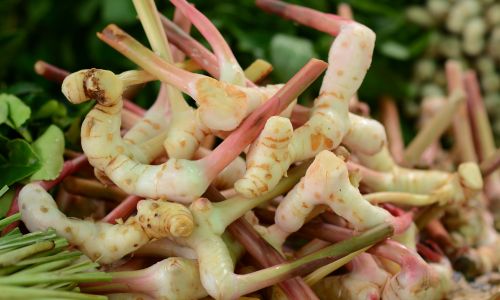
Up in Pupuan, the red laterite soil pushes turmeric and galangal to their aromatic limits. Turmeric rhizomes here contain up to 7% curcumin double the national average thanks to iron and cool highland nights that stress the roots just enough to deepen their color and spice. The galangal, meanwhile, carries bright citrus and pine-like notes that lift dishes like kunyit asam and rendang to another level.
Farther west, in Gilimanuk’s mangrove wetlands, iodine- and selenium-rich silt nurtures umibudo sea grapes with a natural briny pop. A single serving meets your daily iodine needs while supporting thyroid and immune health. Locals say the faint lactic tang of these sea grapes echoes the island’s balance a harmony between ocean and earth.
Taste Maps and Soil Stories
Each soil type in West Bali offers its own flavor signature:
- Pupuan Red Rice: Iron-nutty and rich with anthocyanins.
- Medewi Kangkung: Sweet-magnesium crunch with low oxalate.
- Jembrana Salak: Crisp potassium bite, mineral-smooth.
- Pekutatan Coconut: Calcium-rich, creamy, and subtly floral.
- Negara Chili: Fiery yet clean, magnesium-laced intensity.
Chefs across West Bali now trace their ingredients back to specific soil coordinates. QR codes on menus reveal pH, mineral content, and even climate data turning meals into edible geography lessons.
Soil, Health, and Happiness
Beyond flavor, the soil nourishes the body and mind. Iron from red rice improves oxygen circulation, while magnesium from kangkung relaxes muscles and stabilizes blood pressure. Selenium in sea grapes supports mood and thyroid health, and calcium from coastal coconuts strengthens bones naturally.
Local wisdom runs deep here farmers still “taste” the soil to check salinity, relying on generations of instinct. Their practices, from duck-rice symbiosis to nitrogen-fixing cover crops, keep the land fertile and the flavors pure.
When you taste Bali’s produce the sweetness of rice, the brightness of turmeric, the salt-snap of peanuts you’re tasting centuries of volcanic evolution, filtered through the patience of farmers who know the earth by heart.
A Living Flavor, Served Fresh
In West Bali, to eat is to connect to the land, the farmer, and the minerals that sustain life. The island’s soil tells a story through flavor, texture, and nourishment, reminding us that every bite begins beneath our feet.
If you find yourself along the Medewi coastline, you can experience these earthy, vibrant tastes in full. Freshly harvested produce and local ingredients from these very soils inspire the dishes served daily proof that flavor, when grown with respect for the earth, can truly feed both body and soul.
アボカドレストラン
Jl. Widuri Simpang Tiga, Medewi, Jembrana, Bali
+62 813 3854 6264
eat@avocadoresto.com