
In Bali’s traditional kitchens, every ingredient tells a story one of healing, community, and respect for the land. From the volcanic soils of Pupuan to the coastal hearths of Medewi, West Bali’s home cooks and warung masters have preserved centuries-old wisdom rooted in balance, freshness, and sustainability. Their techniques from hand-grinding spices to fermenting tempe in banana leaves transform humble ingredients into nourishing meals that connect body, spirit, and earth.
The Rhythm of Base Genep
At the heart of Balinese cooking lies base genep, a complete spice paste prepared fresh each morning. In a courtyard in Negara, an elder begins the ritual: shallots for sweetness, garlic for depth, turmeric and ginger for warmth, galangal for sharpness. Each is tasted raw, its purpose explained turmeric for the liver, chili for circulation, candlenut for body.
Modern food science backs these instincts: hand-grinding releases up to 40% more essential oils than mechanical blenders, preserving aroma and antioxidant potency. Within hours, oxidation can halve curcumin’s strength, which is why every household insists on making the paste daily.
Coconut Milk: The Double Press

Next comes coconut milk extraction a lesson in precision and patience. Mature coconuts are grated, then squeezed twice: the first press yields rich cream (santan kental), the second produces light milk (santan encer).
This separation allows cooks to control texture and fat content naturally. The fats in fresh santan, rich in medium-chain triglycerides, convert quickly into energy and improve HDL cholesterol, as confirmed by Pacific Island nutritional studies. Nothing is wasted; leftover pulp becomes compost or animal feed.
The Science of Fermentation
Fermenting tempe is both art and biology. In Jembrana’s humid air, soybeans wrapped in banana leaves transform within 36 hours, developing a white mycelium coat that signals perfection.
The result? 22 grams of protein per 100 grams, enriched with vitamin B12 and probiotics that improve gut health. Balinese households have unknowingly practiced functional food science for generations, maintaining the ideal 30 °C incubation temperature by instinct rather than thermometer.
Steaming and Grilling the Sustainable Way
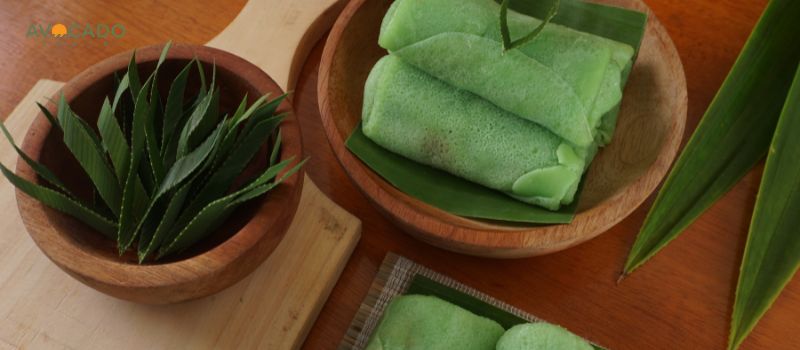
Banana-leaf steaming is another time-tested technique. Dadar gulung pandan crepes filled with palm sugar coconut are steamed just long enough to retain 85% of their natural vitamins. The leaves lend subtle flavor while acting as antimicrobial wrappers, then return to the earth as organic waste.

On the coast, grilling over coconut husk coals replaces charcoal. Cakalang skewers sizzle gently above low flames, achieving the perfect Maillard browning without harmful acrylamides. Studies show that smoke polyphenols from husk embers act as natural antioxidants, enhancing nutrient absorption by up to 30%.
Everyday Lessons from Bali’s Kitchens
Core principles passed through generations remain the same:
- Pound spices by hand for aroma and balance.
- Use both thick and thin coconut milk to control richness.
- Ferment with natural leaves for flavor and probiotics.
- Grill low and slow using renewable fuel.
- Balance the six rasas (tastes) sweet, salty, sour, bitter, pungent, and astringent — in every meal.
These techniques nurture not only health but mindfulness. Repetitive motions grinding, wrapping, tasting induce a flow state linked to lower stress and enhanced sensory awareness. Elders often say, “Cooking calms the mind before it fills the stomach.”
Sustaining Tradition in a Modern World
Today, young cooks and eco-villages in West Bali are reviving these traditions with modern awareness. They dehydrate base genep into travel-friendly powders, use solar ovens to steam leaf parcels, and teach travelers the art of balance through half-day cooking classes that end with megibung, a shared meal emphasizing unity and respect.
Scientific validation only strengthens the heritage. Studies confirm what Balinese wisdom has long practiced that natural preparation methods preserve nutrients, promote digestion, and reduce environmental impact. A household using traditional cooking fuel emits 60% less carbon than one relying on LPG.
Where Tradition Meets Taste
As dawn steam rises from mortar and pestle, Bali’s kitchens remind us that true nourishment is both ritual and science. Every grind, press, and wrap holds a lesson in sustainability and harmony values that remain timeless in an ever-changing world.
For travelers wishing to experience these flavors firsthand, Avocado Resto brings West Bali’s culinary heritage to the table. Each dish reflects the same balance of spice, texture, and care a modern homage to the island’s wisdom, served with warmth and authenticity that turns every meal into a journey of taste and tradition.