
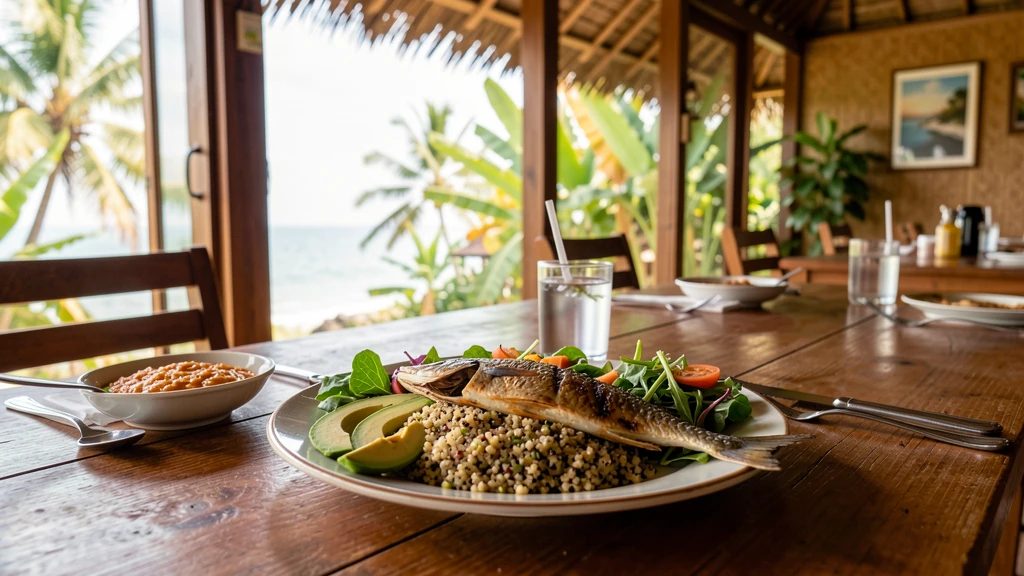
Gluten-Free Dining in Medewi: A Practical Safety Guide for 2026
You’re in Medewi. The waves are good. You’re hungry. And you need to eat without getting sick.
For anyone with celiac disease or gluten sensitivity, ordering food in a small surf town in West Bali comes with real anxiety. The menu photos look promising, but you don’t know if the kitchen understands cross-contamination. You don’t know if “no bread” means “no gluten” in practice. You don’t know if the soy sauce they use contains wheat — because in Indonesia, most of it does.
The stakes are higher here than in a city with dedicated gluten-free restaurants. In Medewi, you can’t just open Google Maps and filter by “gluten-free.” You need to know what to look for, what to ask, and which menu choices are inherently safer than others.
This guide is a practical safety primer for anyone looking for a gluten free restaurant in Medewi. It covers the specific gluten risks in Indonesian and surf-town cooking, exactly what to ask before you order, a breakdown of safer vs riskier menu categories, and how to communicate your needs clearly — whether you’re celiac or gluten-sensitive.
Gluten Risk in Indonesian & Surf-Town Menus
Indonesian cuisine isn’t inherently gluten-heavy. Rice is the staple carbohydrate, and many traditional dishes are built around fresh ingredients, spices, and grilled proteins. But the hidden sources of gluten are everywhere once you start paying attention — especially in a Medewi cafe that serves both Indonesian dishes and Western comfort food.
Here are the most common gluten sources you’ll encounter on menus in Medewi:
- Kecap manis (sweet soy sauce). This is the single biggest hidden source of gluten in Indonesian cooking. Nearly every commercial brand of kecap manis contains wheat flour as a thickener. It’s used in marinades for grilled chicken and fish, in stir-fried noodle and rice dishes, in dipping sauces for satay, and even in some sambal recipes. If a dish looks dark or glossy, assume kecap manis is involved. Tamari (gluten-free soy sauce) is almost never stocked in Medewi kitchens — you’d need to bring your own or ask the kitchen to use salt and lime instead.
- Deep-fried items in shared oil. Cross-contamination is nearly guaranteed with shared fryers. If a cafe fries spring rolls, battered fish, tempura vegetables, or breaded chicken in the same oil, that oil is contaminated with gluten. Even items that are naturally gluten-free — like potato wedges or banana fritters — become unsafe if cooked in shared oil. For celiacs, anything fried is a hard no unless the kitchen has a dedicated gluten-free fryer.
- Breaded and battered proteins. Chicken parmigiana, fish and chips, calamari, tempura — these are standard items on Medewi cafe menus that cater to international tourists. In most cases, the batter is wheat flour based. Occasionally a kitchen uses rice flour, but don’t assume. Always ask: “Is this breaded with wheat flour or something else?”
- Noodle dishes. Mie goreng and bakmi are everywhere in Indonesia, and they use wheat noodles by default. Rice vermicelli (bihun) is a safer alternative, but confirm that the seasoning and sauce don’t contain kecap manis. The same applies to pasta dishes — most Medewi cafes use standard wheat pasta.
- Sambal and condiments. Not all sambal contains gluten, but some recipes include kecap manis or shrimp paste (terasi) that may have additives. If you’re sensitive, ask if the sambal is made fresh in-house, and request it on the side so you can control how much you use.
- Marinated grilled items. Grilled chicken or fish sounds safe, but many kitchens marinate their proteins in kecap manis or a commercial barbecue sauce that contains wheat. Always ask: “Is the marinade gluten-free?” or request your protein grilled with just salt, pepper, and oil.
- Desserts and baked goods. Pancakes, waffles, banana fritters, brownies, and cakes are standard gluten unless specified otherwise. Some cafes offer gluten-free pancake options, but this is rare in Medewi. Smoothie bowls and fresh fruit are your safest dessert bet.
The good news: Indonesia’s food culture centered around rice, fresh vegetables, grilled fish and chicken, eggs, and tropical fruit means there are plenty of naturally gluten-free options. The key is knowing how to identify them and how to order them safely in a kitchen that may not be used to gluten-free requests.
Questions to Ask Before You Order
These questions work in English at most Medewi cafes that serve international guests. Write the key ones down or save them in your phone notes.
- “Does this dish contain kecap manis or soy sauce?” — This is the most important question. If the answer is yes, ask if they can prepare it without, using salt and lime instead. Most kitchens can accommodate this adjustment.
- “Is the fryer shared with breaded items?” — If yes, avoid anything fried, even if the item itself is naturally gluten-free. The oil is contaminated.
- “Can you grill the protein instead of frying?” — Most kitchens can switch from fried to grilled. Request your chicken, fish, or tempe grilled with minimal seasoning — just salt, pepper, and oil.
- “Is the salad dressing made in-house? Does it contain soy or malt vinegar?” — Bottled dressings often contain gluten. Request olive oil and lime as a simple, safe alternative.
- “Are the noodles rice-based or wheat-based?” — If you want bihun (rice vermicelli), confirm it’s 100% rice and not a blend. Ask if the seasoning in the dish contains kecap manis.
- “Can you prepare my food on a clean surface with clean utensils?” — For severe celiac, this matters more than any other precaution. Cross-contact from cutting boards and grill surfaces is a real risk in small kitchens.
- “Do you use any alcohol, beer batter, or cooking wine in your kitchen?” — Some Western-style cafes use beer batter for fish or cooking wine in sauces. Not common in Medewi, but worth confirming.
🥜 Pro tip from experienced GF travelers: Carry a small card in Indonesian that explains your dietary requirement. Write: “Saya tidak boleh makan gluten — tepung terigu, kecap manis, roti, gorengan yang dicampur dengan tepung terigu. Tolong masak tanpa kecap manis.” Show this to the staff when you order. It bridges the language gap and signals seriousness.
Safer Menu Categories in Medewi
Not all menu items are created equal when you’re avoiding gluten. Here’s a detailed breakdown of what tends to be safe, what needs verification, and what to avoid outright.
| Category | Safer Choices | Ask First | Usually Avoid |
|---|---|---|---|
| Grilled proteins | Grilled chicken breast, grilled fish (snapper, tuna), grilled beef, grilled tempeh or tofu — seasoned with salt, pepper, herbs, and oil only | Ask about marinade: “Is the chicken marinated in kecap manis or soy sauce?” Also confirm the grill surface is scraped clean | Pre-marinated meats (color is a giveaway — dark brown = kecap), breaded cutlets, fried proteins |
| Salads | Fresh garden salads with tomato, cucumber, lettuce, corn, avocado, shredded carrot | Ask for dressing on the side or request olive oil + lime. Confirm no croutons or crispy noodles on top | Pre-dressed salads, salads with croutons or wonton strips, Caesar salad (dressing contains anchovy paste — sometimes safe but verify) |
| Rice bowls | Steamed white or brown rice topped with grilled protein and vegetables. Nasi campur (mixed rice) with safe sides | Ask about sauce or seasoning added to the rice. Request no kecap manis on the bowl | Fried rice (nasi goreng — almost always contains kecap manis), rice bowls with drizzled sauces of unknown origin |
| Eggs & breakfast | Omelettes, poached eggs, scrambled eggs, boiled eggs. Avocado on the side. Fresh fruit plates | Ask if they add flour or baking powder to omelettes (some do, for fluffiness). Confirm cooking surface is clean | Pancakes, French toast, toast, breakfast wraps, granola (unless GF confirmed) |
| Smoothie bowls & fruit | Smoothie bowls (without granola), fresh fruit platters, fresh juices, coconut water | Ask if granola or seed mixes contain wheat. Confirm yogurt doesn’t have glutenous thickeners (rare but possible) | Smoothie bowls with granola (unless GF confirmed), packaged juices with additives |
| Soups | Clear broths, vegetable soups, chicken soup (if no noodles added) | Ask if broth is made with kecap manis, soy sauce, or wheat-based stock cubes | Soto (traditional Indonesian soup — often uses wheat flour thickener or fried shallots with flour coating), creamy soups with unknown base |
Print this table or save it to your phone before your Medewi trip. Show it to staff when ordering — the visual format helps bridge the language gap faster than a verbal explanation.
How to Order at Places Like Avocado Resto
Avocado Resto positions itself as a healthy eating spot. That’s a good starting point for gluten-sensitive diners, because the menu leans toward fresh, whole ingredients rather than processed or fried items. Let’s be specific about what works and what doesn’t.
What’s naturally safe on the Avocado Resto menu: Avocado smash (no bread — ask for it on a plate with sides), grilled chicken or fish with steamed rice and vegetables, salads (request dressing on the side — olive oil and lime is ideal), smoothie bowls without granola, fresh fruit plates, omelettes, and fresh juices.
What needs verification: Any dish with a marinade or sauce — ask if kecap manis is used. Pizza (if available — pizza dough is wheat-based, but some places offer cauliflower crust; confirm first). Salad dressings — ask what’s in them. Smoothie bowl toppings — if granola is included, request it without.
What to avoid unless confirmed: Anything fried (shared fryer risk), noodle dishes unless you’ve confirmed rice noodles with GF seasoning, pancakes or baked goods, and pre-marinated grilled items unless the kitchen confirms the marinade is GF.
Avocado Resto does not claim to be a dedicated gluten-free kitchen. This is important. Even if individual ingredients are GF, cross-contamination in the kitchen is possible. The team is generally responsive to dietary requests via WhatsApp, so a message ahead of time helps them prepare.
Here’s the practical approach:
- Use the healthy menu finder on the website to narrow down options before you arrive.
- Contact Avocado Resto on WhatsApp before your visit: “I have celiac disease / gluten sensitivity. Can you prepare grilled chicken with steamed rice and vegetables, no soy sauce or kecap manis? Are you able to use a clean surface?”
- When ordering in person, be specific and polite: “I cannot eat wheat, flour, soy sauce, or bread. Can you prepare my food separately?”
- Request grilled instead of fried. Grilled chicken or fish with plain steamed rice and fresh vegetables is one of the safest combinations on any menu in Medewi.
🥗 GF-friendly order at Avocado Resto: Grilled chicken with steamed rice and side salad (dressing on the side). Or avocado smash on a plate (no toast) with poached eggs. Or a smoothie bowl without granola. Send a quick WhatsApp before your visit to flag your dietary needs — a 30-second message saves a lot of uncertainty at the table.
After-Surf GF Fuel Ideas
Post-surf hunger hits hard. You’ve been in the water for two hours, your arms are tired, and you need real food — fast. Here are practical, gluten-free meal combos that work at Medewi cafes:
- Grilled fish or chicken + steamed rice + sautéed greens. The universal safe meal. Protein, carbs, and vegetables, all naturally GF if prepared simply. This is your go-to order anywhere in Medewi.
- Smoothie bowl, no granola, extra seeds. Cool, refreshing, packed with fruit. Ask them to double the seeds or add extra banana instead of granola.
- Omelette with vegetables + side salad + fresh juice. Light, protein-rich, and naturally GF. Add avocado if available for healthy fats.
- Grilled chicken salad, vinaigrette on the side. Request no croutons, no crispy noodles. Dress with olive oil and lime for safety.
- Rice bowl with vegetables and grilled protein. Simple and filling. Confirm no kecap manis in the bowl.
- Fresh fruit plate + coconut water. The lightest option. Great for a quick refuel before your next surf session.
If you’re staying in Medewi long-term — a month or more — consider keeping a small stash of emergency GF snacks at your accommodation: rice crackers, nuts, dried fruit, and a few certified GF protein bars. Small shops in Medewi stock basic snacks, but dedicated gluten-free products are rare. If you have specific brands you trust, bring them from Denpasar or buy online before your trip.
FAQ
Does celiac vs gluten sensitivity change how I should order in Medewi?
Yes, significantly. If you have celiac disease, even trace amounts of gluten from shared utensils, cutting boards, or fryer oil can trigger a reaction. You need to communicate this clearly — use the word “allergy” even if it’s technically an autoimmune condition, because Indonesian cafe staff understand “alergi” more readily than “celiac.” If you’re gluten-sensitive, you have more flexibility, but cross-contamination can still cause discomfort. Always specify your level of sensitivity when ordering.
Is kecap manis (sweet soy sauce) gluten-free in Indonesia?
Almost never. Standard kecap manis is made from fermented soybeans and wheat flour. Some premium brands like Kikkoman offer gluten-free soy sauce, but these are rarely stocked in Medewi cafes. The kecap manis used in Indonesian kitchens — typically Bango or ABC brands — contains wheat. Assume any dish with kecap manis is not safe unless the kitchen can confirm a GF alternative.
Is shared fryer oil a real risk for celiacs?
Yes — this is one of the highest risks. When the same oil is used to fry breaded chicken, spring rolls, or battered fish, gluten particles transfer to everything else cooked in that oil. Even items that are naturally gluten-free become contaminated. For anyone with celiac, food from a shared fryer is not safe. Ask specifically: “Is there a separate fryer for gluten-free items?” If the answer is no, avoid all fried food at that establishment.
Are there gluten-free breakfast options in Medewi?
Yes. Eggs (omelette, poached, boiled, scrambled), fresh fruit plates, smoothie bowls (without granola), and yogurt are widely available at Medewi cafes. Avocado on a plate (not on toast) with eggs is a filling GF breakfast. Confirm no flour is added to omelettes — some kitchens add a pinch for fluffiness, and that’s enough to cause issues for sensitive individuals. Skip pancakes, French toast, and toast unless GF bread is specifically offered.
Can I find gluten-free desserts in Medewi?
Limited but possible. Fresh fruit platters are your safest and most widely available option. Some smoothie bowls can serve as a dessert — they’re sweet, cold, and satisfying. Bubur ketan hitam (black sticky rice pudding with coconut milk) is a traditional Indonesian dessert that’s naturally gluten-free and sometimes available at local warungs. Skip cakes, brownies, pancakes, fried bananas, and other baked or fried sweets unless the cafe specifically confirms GF preparation.
Are kids’ meals gluten-free friendly in Medewi?
Standard kids’ menus tend to default to pasta, pizza, chicken nuggets, sandwiches, or fish and chips — all gluten-heavy options. However, most Medewi restaurants that cater to international families are willing to accommodate if you ask. Request grilled chicken or fish with plain rice and vegetables for your child. Send a WhatsApp message ahead of time to confirm — “Can you prepare a simple grilled chicken with rice for my child? No sauce, just salt and pepper.” Most kitchens can do this.
What emergency GF snacks should I carry in Medewi?
Rice crackers, nuts, dried fruit, bananas (widely available), and certified gluten-free protein bars are your best bets. Small shops and warungs in Medewi stock basic snacks like peanuts, fresh fruit, and packaged crackers — but most packaged crackers contain wheat. If you have specific GF brands you trust, bring them from Denpasar or a larger town before heading to Medewi. Fresh fruit is your most reliable emergency snack in town.
Bottom Line
Eating gluten-free in Medewi is absolutely possible. The island’s food culture — rice, grilled proteins, fresh vegetables, and tropical fruit — works in your favor. But it requires active communication, not just passive menu reading. The gap between a “gluten-free friendly” menu and a kitchen that actually understands cross-contamination is significant, and you bridge that gap by asking the right questions every time you order.
Be patient with staff who may not be familiar with the term “gluten.” Show them what you mean. Write it down. Use your phone translator if needed. Most cafe teams in Medewi are genuinely helpful once they understand your needs — they just need clear guidance.
If you’re planning a visit to Avocado Resto and want to discuss gluten-free options before you arrive, send a message on WhatsApp. The team can walk you through what’s available and prepare your order with your dietary needs in mind.
Book a Table at Avocado Resto →
Article by Avocado Resto Team. Last updated: July 2026.