
Surf-town restaurants are far more than places to eat. In destinations like Medewi in West Bali, they become an essential part of the overall travel experience, serving as gathering points for surfers, wellness travelers, locals, and adventurers seeking both nourishment and connection.
A truly good surf-town restaurant understands the rhythm of coastal life. It recognizes that surfers need food that restores energy after long sessions in the ocean, travelers want authentic local experiences, and visitors increasingly value healthy, sustainable dining in peaceful settings.
In Medewi, where black sand beaches meet endless rice fields and the famous left-hand wave attracts surfers from around the world, restaurants reflect the village’s slower and more mindful lifestyle. Meals are not rushed. Fresh ingredients matter. Ocean breezes replace city noise, and dining becomes part of the overall wellness experience that makes West Bali so memorable.
After spending hours paddling through warm tropical waves or exploring quiet village roads, the best restaurants offer something deeper than convenience. They provide recovery, comfort, atmosphere, and a genuine sense of place that stays with visitors long after the trip ends.
Close Proximity to the Surf Break
One of the first qualities that defines a good surf-town restaurant is location. In surf destinations like Medewi, convenience matters because surfers often move directly between the beach and nearby cafés or warungs throughout the day.
Restaurants positioned near the surf point allow visitors to refuel quickly without long travel times. After physically demanding sessions in the water, easy access to food and drinks becomes especially important for maintaining energy and hydration.
Many of Medewi’s best dining spots sit within walking distance of the beach, creating a seamless connection between surfing and dining. Surfers can step off the black sand, rinse off saltwater, and settle into shaded seating areas while still hearing the sound of waves nearby.
This proximity also contributes to the relaxed atmosphere that defines surf-town culture. Restaurants become extensions of the beach itself rather than separate destinations disconnected from the coastal environment.
Fresh Ingredients Create Better Food
Freshness is another essential characteristic of a quality surf-town restaurant. Coastal villages like Medewi benefit from immediate access to fresh seafood, tropical fruits, herbs, and vegetables sourced directly from nearby farms and local fishermen.
Fresh ingredients improve not only flavor but also nutritional value. Fish caught the same morning retains better texture and omega-3 content, while freshly harvested vegetables contain higher levels of vitamins and antioxidants compared to heavily processed alternatives.
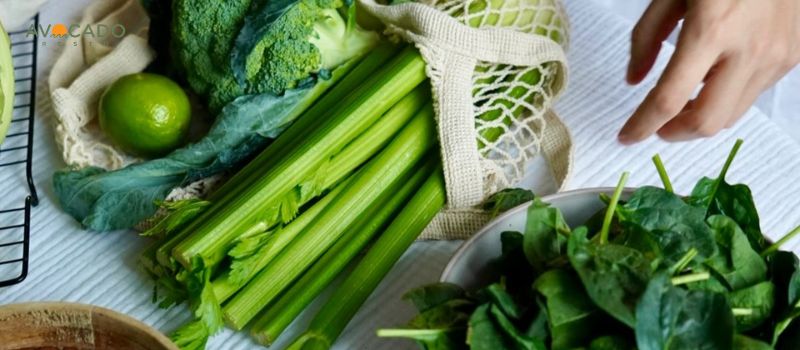
In Medewi, restaurants often highlight ingredients such as avocado, spinach, banana, coconut, dragon fruit, turmeric, ginger, lemongrass, and fresh seafood. These foods naturally support recovery and sustained energy for active travelers.
This farm-to-table approach also strengthens local economies and reduces environmental impact by limiting long-distance transportation and unnecessary packaging.
For visitors, the difference becomes obvious through taste alone. Meals feel lighter, cleaner, and more satisfying because the ingredients are naturally vibrant and minimally processed.
Healthy Menus for Active Lifestyles
Surfing demands physical endurance, muscle recovery, hydration, and sustained energy. A good surf-town restaurant understands these needs and designs menus accordingly.
Healthy breakfast options such as avocado toast, eggs, smoothie bowls, fresh fruit, and oatmeal provide balanced fuel before early morning surf sessions. Lunches and dinners often emphasize grilled proteins, rice bowls, salads, vegetables, and nutrient-rich local ingredients that help the body recover after long hours in the sun and saltwater.
In Medewi, many cafés combine local Indonesian flavors with wellness-oriented concepts. Quinoa salads with roasted pumpkin, grilled fish with vegetables, smoothie bowls topped with seeds and tropical fruits, and lean protein dishes all reflect this balance between nourishment and enjoyment.
Culinary science helps explain why these foods work well for surfers. Potassium-rich foods such as bananas, coconut water, and potatoes support electrolyte balance and reduce muscle cramps. Healthy fats from avocado improve satiety and help absorb fat-soluble vitamins. Lean proteins aid muscle repair, while antioxidant-rich vegetables help combat inflammation caused by physical activity and UV exposure.
Relaxed Open-Air Atmosphere
Atmosphere is equally important in defining a successful surf-town restaurant. People travel to places like Medewi partly because they want to escape crowded urban environments and experience a slower pace of life.
Open-air dining spaces surrounded by tropical plants, rice fields, or ocean views naturally create a more calming experience. Bamboo architecture, shaded seating, natural ventilation, and relaxed music all contribute to the laid-back feeling that surfers and travelers appreciate.
The best surf-town restaurants encourage guests to stay longer rather than rush through meals. Conversations flow naturally, friendships form easily, and meals become social experiences rather than quick transactions.
This relaxed environment also supports mindfulness. Studies show that calm surroundings may improve digestion and reduce stress levels during meals. When diners feel relaxed, they often enjoy food more fully and experience greater satisfaction overall.
In Medewi, where sunsets over the Indian Ocean create spectacular evening scenery, restaurants frequently become places where visitors spend hours enjoying food, conversation, and peaceful views.
Fast but Friendly Service
Although surf-town restaurants are known for relaxed atmospheres, good service still matters greatly. Surfers often arrive hungry after intense physical activity, especially during peak heat hours or between multiple surf sessions.
The best restaurants balance efficiency with warmth. Meals should arrive reasonably quickly without sacrificing freshness or quality. Staff who understand local surf rhythms can anticipate busy breakfast periods, post-surf lunch crowds, and sunset dining hours.
Friendly hospitality also plays a major role in creating memorable experiences. In smaller destinations like Medewi, personal interactions matter more because visitors often return to the same cafés repeatedly during their stay.
Staff who greet guests warmly, remember regular customers, or share local recommendations contribute significantly to the welcoming atmosphere that defines strong surf-town communities.
Local Flavor with International Appeal
Good surf-town restaurants also succeed by balancing authenticity with accessibility. Travelers want opportunities to experience local cuisine while still having options that suit international tastes and dietary preferences.
Medewi handles this balance particularly well. Traditional Balinese dishes such as ikan bakar, nasi campur, gado-gado, and tempeh-based meals exist alongside avocado toast, smoothie bowls, grilled seafood platters, and healthy fusion dishes.
This blend reflects the international nature of surf culture itself. Surfers from different countries gather in shared spaces, and restaurants evolve to accommodate diverse preferences without losing their local identity.
When done thoughtfully, fusion cuisine allows visitors to experience Balinese flavors in approachable ways while still preserving traditional ingredients and cooking methods.
Sustainability and Community Connection
Modern surf travelers increasingly care about sustainability, making environmental awareness another important feature of successful surf-town restaurants. Restaurants that source locally, reduce plastic waste, support local farmers, and prioritize sustainable seafood practices often resonate strongly with conscious travelers. These efforts help preserve the natural beauty that attracts visitors to surf destinations in the first place.
Community connection matters equally. The best restaurants serve as gathering places where locals and travelers interact naturally. Surfers exchange wave reports, families share meals, and visitors learn about local culture through conversations and hospitality.
This sense of connection transforms restaurants into cultural anchors within the surf-town environment rather than simple businesses focused only on tourism.
Why Surf-Town Restaurants Matter
Ultimately, what makes a good surf-town restaurant goes beyond food quality alone. The best places understand how to support the physical, emotional, and social aspects of coastal travel.
Fresh ingredients, healthy menus, relaxed atmospheres, ocean proximity, warm service, and authentic local character all work together to create experiences that feel restorative and memorable. In places like Medewi, these restaurants become part of the village lifestyle itself, helping visitors reconnect with slower rhythms and healthier habits.
For travelers exploring West Bali’s surf culture, dining often becomes just as meaningful as the waves. A welcoming place like Avocado Resto reflects these qualities beautifully through its balanced menu of avocado breakfast plates, smoothie bowls, grilled proteins, fresh salads, and wholesome local-inspired dishes served in a peaceful setting. Combined with Medewi’s calm atmosphere and natural beauty, it represents exactly what makes a truly great surf-town restaurant nourishing food, genuine hospitality, and a strong connection to the rhythms of coastal life.
Avocado Resto
📍 Jl. Widuri Simpang Tiga, Medewi, Jembrana, Bali
📞 081338546264
✉️ eat@avocadoresto.com
🌐 www.avocadoresto.com