
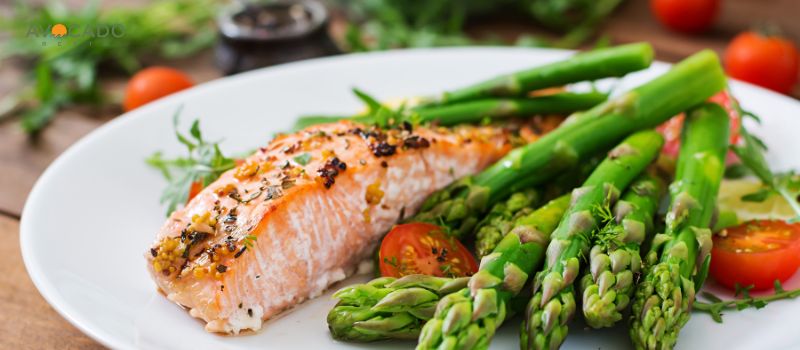
Salmon is often considered the gold standard for steak-style fish cooking, but in Bali and across Indonesia, local waters offer an impressive range of fish that perform just as well if not better when grilled, pan-seared, or broiled into thick, satisfying steaks. These species are deeply rooted in Indonesian food culture, frequently prepared as ikan bakar or simply grilled with sea salt and citrus, allowing their natural flavours to shine.
From a culinary science perspective, the secret to a successful fish steak lies in choosing species with firm, slightly oily flesh that can withstand high heat without drying out. When paired with aromatic local ingredients such as lemongrass, galangal, turmeric, and lime, these fish develop layers of umami while remaining moist and tender. Nutritionally, many of these alternatives rival or even surpass salmon, delivering high-quality protein, omega-3 fatty acids, and essential micronutrients that support heart health, recovery, and immune resilience particularly valuable in Bali’s active, outdoor lifestyle.
Choosing local fish also reduces dependence on imported salmon, which often travels thousands of kilometres and carries a larger environmental footprint. Below are some of the best locally available options for steak-style cooking in Bali and Indonesia.
Tuna (Yellowfin & Skipjack)
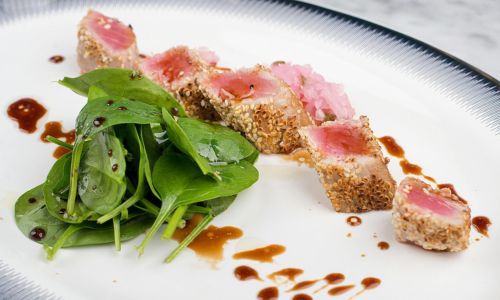
Abundant in Indonesian seas, tuna is one of the closest local equivalents to salmon in texture and versatility. Its dense, meaty flesh makes it ideal for thick steaks, especially when marinated briefly in soy sauce, ginger, and lime, then grilled or seared to medium-rare.
A 100-gram serving provides approximately 25 grams of protein, 1,000–2,000 mg of omega-3 fatty acids, and high levels of selenium. These nutrients support cardiovascular health, muscle repair, and antioxidant protection ideal after surfing, hiking, or long travel days. For regular consumption, smaller species such as skipjack are recommended due to lower mercury levels.
Mahi-Mahi (Dorado)
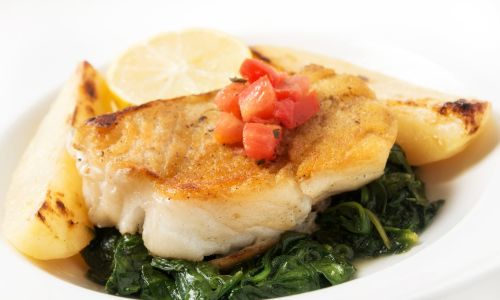
Commonly landed around Bali’s southern and eastern waters, mahi-mahi offers firm flesh with a mild, slightly sweet flavour. When cut into thick steaks and seared with turmeric and chili, it develops a caramelised exterior while remaining juicy inside.
Nutritionally, mahi-mahi delivers lean protein, potassium for electrolyte balance, and vitamin B6, which supports energy metabolism and mental clarity. Its relatively low calorie density makes it an excellent choice for travellers seeking light yet satisfying meals in warm climates.
Snapper (Red Snapper)
Snapper thrives along Bali’s coral reefs and is widely available in coastal markets. Its white, flaky flesh performs well as a steak when pan-fried skin-on, creating a crisp exterior that seals in moisture.
With a strong profile of protein, omega-3s, phosphorus, and vitamin D, snapper supports bone strength and joint health particularly useful for physically demanding activities such as hiking, cycling, or diving. Its lean nature also aligns well with balanced tropical diets.
Grouper
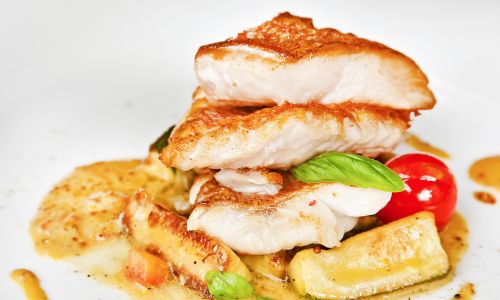
Known for its thick, buttery fillets, grouper is prized in Balinese coastal cuisine. It works beautifully as a steak when broiled or grilled with tamarind or citrus-based glazes, offering richness without heaviness.
Grouper provides high-quality protein, zinc, iron, and selenium, supporting immune function and endurance. Its antioxidant properties are especially beneficial in sunny island environments where oxidative stress is higher due to heat and UV exposure.
Barramundi
Available both wild-caught and sustainably farmed in Indonesia, barramundi is a versatile fish with mild flavour and firm texture. It adapts well to bold Balinese spice blends such as base genep, making it ideal for grilled steaks.
Nutritionally, barramundi supplies omega-3s, vitamin A, and calcium, contributing to eye health, cognitive function, and bone strength. Its sustainability profile also makes it a responsible alternative for regular consumption.
Mackerel (Tenggiri)
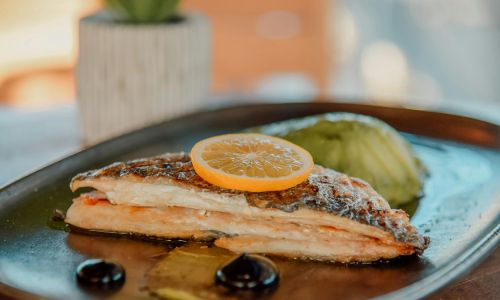
Mackerel is one of Indonesia’s nutritional powerhouses and arguably surpasses salmon in omega-3 content. Its oily flesh holds up exceptionally well to high-heat cooking, producing rich, flavourful steaks.
A 100-gram serving can contain 2,000–3,000 mg of omega-3 fatty acids, supporting brain health, mood stability, and inflammation control. Affordable and widely available, mackerel remains a staple for everyday healthy eating in Bali.
Tilapia
Commonly farmed in freshwater ponds, tilapia offers a mild, approachable option for those new to fish steaks. When baked or grilled with herbs and citrus, it delivers clean flavour and satisfying texture.
Tilapia provides lean protein, niacin, and phosphorus, supporting energy metabolism and bone health. As a farmed species, it also helps reduce pressure on marine fish stocks.
Catfish (Lele)
Catfish is widely consumed across Indonesia and adapts surprisingly well to steak-style preparations. Its firm flesh absorbs marinades easily, making it suitable for pan-frying with garlic, chili, and local spices.
Rich in protein, vitamin B12, and iron, catfish supports red blood cell production and nervous system health. Its resilience in local farming systems makes it both affordable and environmentally friendly.
Cooking and Lifestyle Insights
Across Bali, traditional grilling methods using coconut husks, banana leaves, or open flames enhance flavour while minimising the need for heavy oils. Freshness is key: locally sourced fish retain higher omega-3 levels and better texture compared to imported alternatives.
Incorporating these fish into regular meals aligns with anti-inflammatory dietary patterns seen in long-lived coastal cultures. For travellers, sourcing fish from local markets or eateries in West Bali ensures maximum nutritional value while supporting sustainable fishing communities.
When you want to experience these steak-style fish preparations without cooking yourself, coastal dining spots in Medewi and West Bali offer a natural starting point. At AVOCADO RESTO, many of these local fish are featured in thoughtfully prepared grilled dishes, paired with nutrient-rich sides that complement both flavour and wellness making it easy to enjoy Indonesian seafood at its freshest and most balanced.