
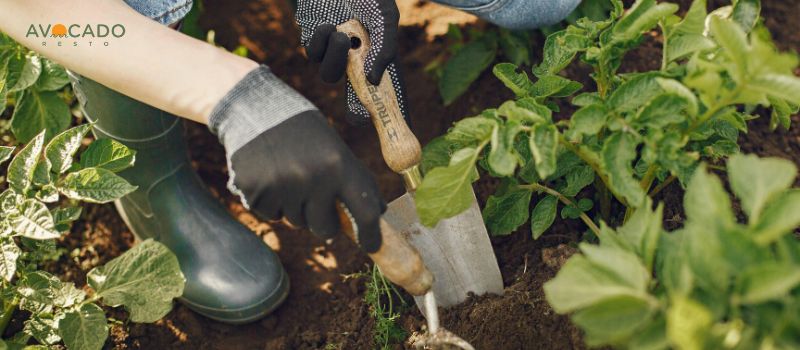
Bali’s fresh produce culture, traditional farming practices, seasonal eating, and the enduring subak irrigation system shape the island’s culinary identity in ways that few places on earth can match. In West Bali, this culture is not a trend or a marketing term it is a living, daily rhythm that determines what ends up on your plate.
For the past decade, mornings have followed a familiar pattern: at 6:30 a.m., a motorbike arrives carrying crates of dew-covered avocados, sunrise-pink dragon fruit, freshly picked young coconuts, and bundles of katuk leaves tied with strips of banana bark. No cold storage trucks, no warehouses, no plastic. Just farmers’ hands passing produce directly to the kitchen. This is the real meaning of farm-to-fork in Bali and once you taste it, imported ingredients feel lifeless by comparison.
Below are the eight pillars that make Bali’s fresh produce ecosystem exceptional, particularly in the western region of the island.
The Eight Pillars of Bali’s Fresh Produce System
- Subak Irrigation
The 1,000-year-old UNESCO-recognized cooperative water system supports rice terraces and the diverse crops surrounding them. - Polyculture Family Farms
Instead of monoculture, small plots often grow 15–30 crops simultaneously from leafy greens to spices and fruit. - Morning Markets (Pasar Pagi)
Farmers sell directly to cooks and households before 9 a.m., maintaining freshness and reducing waste. - Harvest-When-Ripe Philosophy
Produce is picked at peak ripeness and flavor, not for long-distance shipping. - Mineral-Rich Volcanic Soil
West Bali’s andesite-rich soil enhances nutrient density and taste. - Minimal Refrigeration
Food moves from farm to kitchen so quickly that cold-chain storage is rarely needed. - Natural Pest Control
Ducks in rice fields, marigolds between crops, and natural sprays such as neem and chili reduce chemical use. - Heirloom Varieties and Seed Saving
Local farmers preserve ancient varieties of avocado, salak, bananas, and greens that rarely appear outside the island.
Each of these elements strengthens the others, creating a resilient and flavorful food ecosystem.
A Single Avocado’s Journey
Understanding the system becomes easier through one example: a single avocado.
Monday, 5:00 a.m. — Pekutatan
Pak Ketut inspects each avocado by hand. If it yields gently under the thumb, it is ready. No ethylene gas. No forced ripening.
Monday, 7:00 a.m.
He loads the ripe avocados onto his motorbike and drives along the coast to Medewi.
Monday, 7:30 a.m.
The kitchen receives the delivery, pays farmers directly, checks creaminess, and stores the fruit for just 24–48 hours.
Wednesday, 8:00 a.m.
That same avocado becomes part of a smoothie bowl or breakfast special.
Total chain:
48–72 hours
28 km traveled
Near-zero carbon emissions
Compare this to typical supermarket avocados shipped from thousands of miles away and stored for weeks. Flavor and nutrients don’t stand a chance.
What This Means for Your Plate
1. Higher Nutrient Density
West Bali’s volcanic soil contains elevated magnesium, potassium, selenium, and trace minerals. Combined with tree-ripened harvesting, fruits and vegetables often show significantly higher vitamin levels than industrially grown counterparts.
2. Superior Flavor Development
Ripe-on-the-tree produce builds aromatic oils and complex natural sugars that cannot form when fruit is harvested early. Pineapple needs no added sweetener. Salak opens with floral notes. Avocado tastes buttery rather than bland.
3. Seasonal Eating That Supports the Body
Bali’s produce naturally aligns with environmental needs:
- Dec–Mar: dragon fruit, salak, passionfruit — hydrating and rich in vitamin C
- Apr–Jul: mangosteen, rambutan, duku — antioxidant support
- Aug–Nov: pineapple, young coconut, banana — high electrolytes for the dry heat
Menus shift with rainfall patterns, not corporate calendars.
4. Direct Support for Local Farmers
Every purchase feeds the community:
- Tuition for farmers’ children
- Subak maintenance fees
- Village temple repairs
- School uniforms for grandchildren
Small, frequent transactions sustain an entire rural economy.
How to Experience Bali’s Real Farm-to-Fork Culture
- Visit a morning market before 8 a.m.
- Ask restaurants about ingredient origins (“Dari mana ini?”).
- Choose eateries that follow seasonal menus.
- Accept imperfect-looking produce — it signals minimal chemical use.
- Eat according to what’s in abundance.
- Prefer banana-leaf packaging over plastic.
- Explore West Bali’s quiet coastal roads and taste food that traveled meters, not continents.
When you eat this way, the land and the meal become one story — a story shaped by farmers, soil, rain, and tradition.
If you want to experience this farm-to-fork rhythm firsthand, visit our open-air space in Medewi, where ingredients arrive fresh each morning from local farmers. Sit near the ocean breeze, enjoy produce harvested just hours earlier, and taste the depth that comes only from food grown with respect for land, season, and community.
Avocado Resto
Jl. Widuri Simpang Tiga, Medewi, Jembrana, Bali
+62 813 3854 6264
eat@avocadoresto.com