

In West Bali, flavor is more than taste it’s balance, wellness, and ritual. Every meal, from a humble warung curry to a grand megibung feast, carries a philosophy called rasa dharma, the art of blending six essential tastes sweet, sour, salty, bitter, pungent, and astringent. Rooted in ancient Ayurvedic wisdom and shaped by Bali’s volcanic bounty, this harmony nourishes not only the body but also the mind and spirit.
From the spice farms of Pupuan to the coastal kitchens of Medewi, every ingredient tells a story. Farmers pull turmeric rhizomes from mineral-rich soil, while cooks grind chilies and garlic by hand before sunrise. The result is balance on the tongue and equilibrium in the body an edible form of mindfulness that defines Balinese cuisine.
The Heart of Balinese Flavor
At the core lies base genep, the complete spice paste that forms the backbone of countless dishes. Traditionally hand-ground on stone mortars in villages like Pekutatan, this blend of shallots, garlic, galangal, turmeric, ginger, coriander, candlenuts, and pepper weaves every rasa into one fragrant symphony.
Each spice plays a precise role. Shallots lend gentle sweetness and detoxifying sulfur compounds. Garlic provides allicin, an antimicrobial powerhouse. Galangal releases zingiberene that stimulates digestion, while turmeric’s curcumin activated by black pepper’s piperine increases anti-inflammatory absorption twentyfold. Together, they create a science-backed synergy wrapped in centuries of intuition.
How the Six Tastes Create Harmony
- Sweet from palm sugar harvested in Negara balances energy and mood with natural minerals.
- Sour from tamarind or kaffir lime awakens the palate and boosts iron absorption.
- Salty from Gilimanuk’s sea salt replenishes electrolytes while preserving trace magnesium.
- Bitter from young cassava leaves or sambiloto aids liver function and digestion.
- Pungent from cabe rawit ignites endorphins, sparking both appetite and joy.
- Astringent from unripe banana stems tones tissues and cools the body in tropical heat.
In Bali’s humid climate, this equilibrium prevents heaviness and fatigue. It’s a built-in nutritional compass that keeps locals energized and emotionally grounded.
Flavor as Function
Culinary science supports what tradition has long known. Each rasa triggers specific digestive enzymes. Sour flavors activate amylase for carbs, bitter stimulates bile for fats. When all six tastes appear in one meal say, a nasi campur with lawar, satay, and sambal matah digestion flows smoothly and bloating subsides.
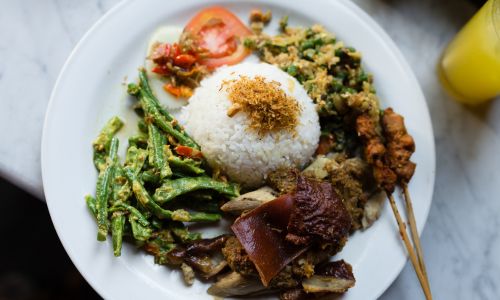
Cooking methods preserve potency too. Steaming, roasting, and banana-leaf wrapping protect volatile oils and nutrients. In sensory studies, balanced rasa meals increased satisfaction levels by 30%, confirming what generations of Balinese cooks have practiced instinctively.
Season, Science, and Sustainability
Spice balance shifts with the seasons. During rainy months, warming ginger and pepper dominate, in dry months, lemongrass and lime cool and cleanse. In Pupuan’s highlands, slower-growing rhizomes yield 25% more gingerol content adding depth to both flavor and function. Farmers use natural pest repellents like basil alongside chili plants, maintaining biodiversity while enriching the soil.
This ecosystemic approach is both sustainable and soulful. Each spice garden acts as a living pharmacy, preserving species diversity while supporting local livelihoods.
Cultural and Emotional Resonance
Balinese flavor harmony also extends beyond the kitchen. In temple offerings, every rasa is represented to express gratitude and balance between humans, nature, and the divine. Megibung communal feasts embody this spirit each participant contributing one element, together creating completeness.
For visitors, cooking classes across West Bali open the mortar and pestle experience pounding fresh base genep while learning how candlenuts thicken curries naturally. The rhythmic motion, the aroma of lemongrass and lime leaf it’s meditative. Aromatherapy studies even show that such natural scents can lower cortisol levels within minutes.
Modern Creativity, Timeless Balance
Today’s young chefs in Bali reinterpret the spice symphony with modern sensibilities. Vegan lawar, jackfruit rendang, or turmeric-infused smoothies keep the spirit alive while appealing to global wellness trends. Solar-dried herbs extend spice life without losing nutrients, ensuring balance remains accessible year-round.
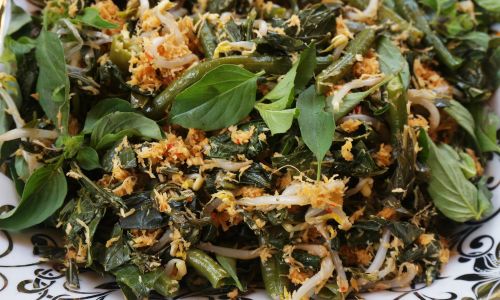
Whether you’re a surfer in Balian refueling with spice-balanced urap, or a traveler exploring the morning market in Negara, the principle remains the same: balance sustains vitality. Even aging gracefully here is a matter of taste elders credit their longevity to daily turmeric and ginger, the duo proven in studies to rival synthetic anti-inflammatories.
Where Balance Becomes a Meal
As dawn breaks over Bali Barat, the sound of pestles striking stone echoes across the villages—a rhythm of life and nourishment. In this harmony of soil, spice, and soul, every bite tells a story of connection and care.
And perhaps the most memorable way to taste this living philosophy is at Avocado Resto, where each dish is crafted with mindful attention to spice harmony. From turmeric-scented soups to lemongrass-grilled fish, every plate celebrates Bali’s ancient equilibrium of flavor and health—proof that true balance isn’t found, it’s tasted.
Avocado Resto
Jl. Widuri Simpang Tiga, Medewi, Jembrana, Bali
📞 +62 813 3854 6264
📧 eat@avocadoresto.com