
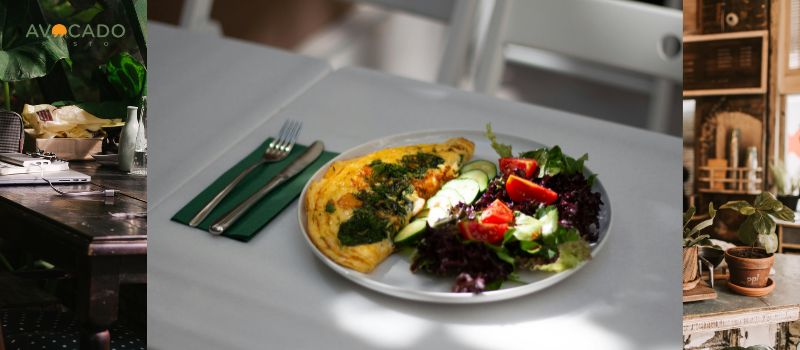
In West Bali where emerald rice fields meet the calm expanse of the sea eco cafés and plant-based eateries have quietly redefined what sustainable dining means. Far from the bustling vegan scenes of Ubud or Canggu, these hidden havens in Labuan Lalang, Pemuteran, and Munduk embrace the island’s slow rhythms, turning each meal into a mindful ritual rooted in the land’s natural abundance. Powered by solar energy, wrapped in banana-leaf packaging, and fueled by ingredients harvested from community farms, Bali Barat’s cafés aren’t just serving food they’re cultivating harmony between people, planet, and palate.
Where Sustainability Meets Serenity
The Bali Barat National Park, a 19,000-hectare sanctuary of mangroves, coral reefs, and misty mountains, shapes more than just the landscape it inspires the menus. Here, cafés source moringa, sea grapes, and jackfruit directly from local cooperatives, ensuring minimal transport and maximum nutrition. Studies in the Journal of Food Science reveal that produce eaten within 24 hours of harvest retains up to 30% more vitamins and antioxidants. This connection to place makes every bite feel purposeful, an edible reflection of Bali’s commitment to balance and care.
A Flavor Story Told Through the Earth
Take a plate of tempe satay, its soybeans grown in nearby highlands and grilled over coconut-husk coals. The result? A smoky depth that speaks of simplicity and patience. Fermentation a cornerstone of local cuisine adds probiotic benefits that support digestion and mood regulation. Research from the American Journal of Clinical Nutrition shows fermented plant foods can lower inflammation by 20%, making them a natural choice for wellness travelers seeking sustainable energy for treks or dives around Menjangan Island.
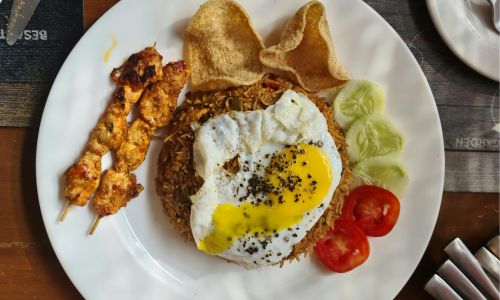
These eco cafés turn classics into nutrient-dense creations: turmeric-rich nasi goreng cooked oil-free, or lemongrass-scented bowls that refresh rather than weigh you down. This is food that feels as light as the ocean breeze yet deeply nourishing perfect for days spent wandering through forest trails or watching sunsets over coral-studded bays.
Sustainability in Every Detail
Every aspect of West Bali’s plant-based scene reflects thoughtful design. Menus rotate with the seasons to reduce waste; water is served in bamboo glasses; and profits often fund conservation projects, such as mangrove replanting or coral restoration. Many cafés also double as learning hubs, hosting permaculture workshops or yoga retreats that invite travelers to connect more deeply with Bali’s ecology.
It’s easy to see how food becomes part of a larger cycle here: seaweed salads supporting reef protection, moringa smoothies grown by local women’s cooperatives, and composted scraps nourishing the same soil that will sprout next season’s greens. This quiet, regenerative loop feels like a love letter to the island’s enduring spirit.
Local Twists on Global Wellness
Global trends meet Balinese terroir in imaginative ways. Açaí bowls trade imported berries for tangy salak fruit its polyphenols rival blueberries in antioxidant power. Raw desserts crafted from coconut flesh and village-harvested date syrup deliver sweetness without the sugar crash. Culinary science backs these choices: raw preparations preserve digestive enzymes and micronutrients, easing bloating and fatigue in the tropical heat.
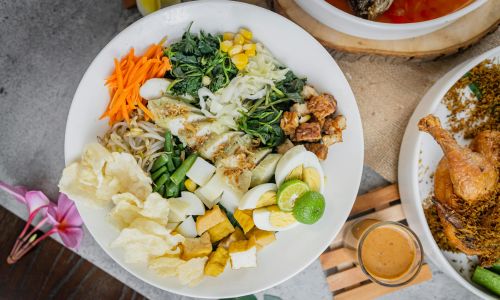
Even staple grains tell a story. Heirloom red rice from subak-irrigated terraces anchors many dishes, offering steady energy thanks to its low glycemic index. A bowl of gado-gado with smoked tofu and heirloom peanuts bursts with color, crunch, and plant-based protein proof that nourishment and indulgence can coexist beautifully.
Community and Connection on Every Table
Beyond their culinary creativity, these cafés embody West Bali’s sense of togetherness. Open-mic nights under the stars feature local musicians; jamu bars offer turmeric and ginger infusions proven to calm digestion and motion sickness. Conversations flow easily at communal tables, where travelers and locals share stories of conservation and care.
Healthy living here is holistic a blend of slow food, clean air, and conscious travel. Whether sipping green smoothies after yoga or fueling up before a reef cleanup, guests find that nourishment extends far beyond the plate.
The Eco Spirit of West Bali’s Dining Scene
In Bali Barat, sustainability feels effortless because it’s interwoven with daily life. From jackfruit “calamari” that protects marine biodiversity to quinoa porridge brightened by foraged wild greens in Munduk’s misty hills, innovation thrives within nature’s boundaries. Meals remain affordable (around IDR 50,000–80,000), accessible, and profoundly connected to the community.
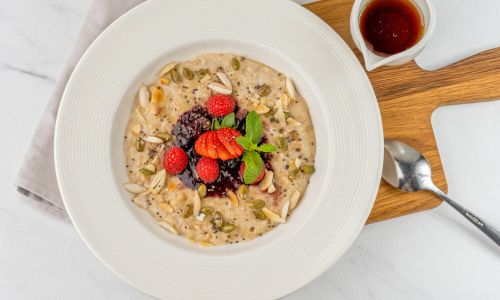
Slow travel is the best way to experience it ride a scooter along clove-scented roads, pause at a farm-side café for a moringa smoothie, and let time stretch. Eco-certified cafés under the Slow Food banner ensure fair wages and local sourcing, turning every meal into a small act of preservation.
From Soil to Soul An Invitation to Savor Mindfully
West Bali’s eco cafés aren’t just destinations; they’re experiences that feed both heart and habitat. Every plate tells a story of resilience, every sip honors the island’s generosity. Whether you’re replenishing after a sunrise hike or unwinding after a waterfall chase, these plant-based havens remind us that true luxury lies in simplicity and care.
And perhaps the essence of this mindful dining finds its most soulful expression at Avocado Resto a haven tucked among rice fields where farm-fresh produce meets creativity and calm. Here, each plant-powered dish is crafted with the same reverence for nature that defines Bali Barat itself, serving not only unforgettable flavor but a quiet reminder that the best meals are those that honor the earth.