
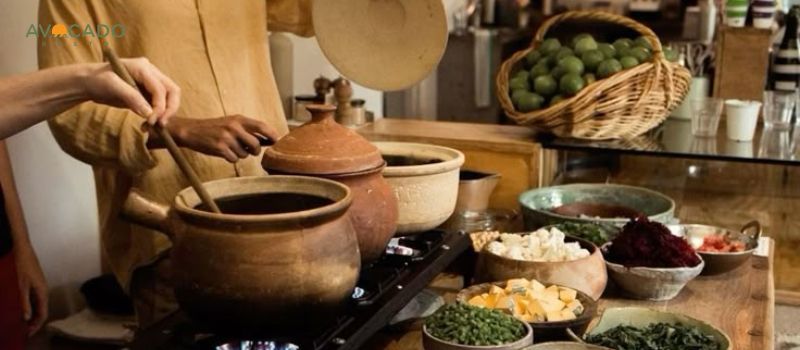
Medewi in West Bali has quietly become one of Bali’s best destinations for slow dining, offering an experience that feels deeply connected to nature, wellness, and traditional village life. Unlike crowded tourist areas where meals are often rushed between busy schedules, Medewi encourages visitors to slow down, enjoy the moment, and fully appreciate the relationship between food, environment, and community.
This peaceful coastal village is best known for its long left-hand surf break, black sand beaches, and lush rice fields. However, beyond the waves, Medewi also offers a dining culture shaped by simplicity, freshness, and mindfulness. Cafes and warungs here prioritize quality ingredients, relaxed hospitality, and calm surroundings that naturally invite people to linger longer at the table.
Slow dining in Medewi is not simply about eating slowly. It reflects a broader philosophy that values fresh local ingredients, thoughtful preparation methods, meaningful conversation, and the enjoyment of each sensory detail. Meals become experiences rather than routines, blending seamlessly with the slower rhythm of life in West Bali.
After spending the morning surfing Medewi’s famous wave or walking through green rice paddies, settling into an unhurried meal quickly reveals why this village is perfectly suited for slow dining.
A Relaxed Village Atmosphere
One of the main reasons Medewi feels ideal for slow dining is its naturally laid-back atmosphere. Compared to South Bali destinations such as Canggu or Seminyak, Medewi remains calm, quiet, and relatively untouched by mass tourism.
Restaurants are often built in open-air bamboo structures surrounded by tropical gardens, rice fields, or ocean views. The absence of heavy traffic, loud nightlife, and crowded streets creates an environment where people instinctively slow down and become more present.
Meals here are rarely rushed. Visitors can comfortably spend hours sipping coffee, enjoying fresh juices, or sharing food while listening to ocean waves or birds in nearby trees. This slower pace transforms dining into a restorative experience rather than simply a practical necessity.
The atmosphere also encourages mindfulness. Without constant distractions, diners become more aware of flavors, aromas, textures, and conversations. This deeper attention often makes meals feel more satisfying and memorable.
Fresh Local Ingredients Make a Difference
Another important reason slow dining thrives in Medewi is the abundance of fresh local ingredients. West Bali’s fertile landscapes and coastal location provide direct access to high-quality produce, seafood, herbs, and tropical fruits.
Many cafes and warungs source vegetables from nearby farms and seafood directly from local fishermen. Because ingredients travel only short distances, they arrive fresher and retain more natural flavor and nutritional value.
Freshly caught fish, ripe mangoes, bananas, dragon fruit, avocados, leafy greens, and aromatic herbs appear frequently on local menus. Rather than relying on heavily processed ingredients or complicated presentation, Medewi’s dining scene allows the natural quality of the food to remain the main focus.
This farm-to-table approach also supports sustainable local economies and reduces environmental impact compared to imported or mass-produced ingredients commonly found in larger tourist areas. For visitors, the difference becomes immediately noticeable. Meals feel lighter, cleaner, and more nourishing because the ingredients are naturally fresh and minimally processed.
Traditional Cooking Methods Encourage Mindful Eating
Slow dining in Medewi is also supported by traditional Balinese cooking techniques that emphasize patience and balance rather than speed.
Many dishes are prepared to order using methods such as grilling, steaming, slow simmering, or sautéing with fresh spices and herbs. Balinese ingredients like turmeric, ginger, garlic, galangal, lemongrass, and kaffir lime create layers of flavor while also offering anti-inflammatory and digestive benefits.
Unlike fast-food environments focused on efficiency, Medewi’s kitchens often prioritize careful preparation and natural taste. Grilled seafood, vegetable dishes, soups, sambals, and rice-based meals are typically cooked with attention to freshness and simplicity.
These preparation methods not only improve flavor but also help preserve nutrients. Light grilling and steaming retain more vitamins and antioxidants compared to heavy frying or highly processed cooking techniques. As a result, meals feel both comforting and energizing, which perfectly suits travelers who spend their days surfing, practicing yoga, or exploring nature.
The Influence of Nature on the Dining Experience
The natural surroundings in Medewi play a major role in enhancing the slow dining experience. Restaurants with views of rice terraces, coconut trees, or the Indian Ocean create a calming sensory environment that supports relaxation and presence.
Watching waves roll onto the black sand beach while enjoying breakfast or observing golden sunlight move across rice fields during dinner adds emotional depth to the meal itself. Nature becomes part of the dining atmosphere rather than just a background view.
Studies have shown that eating in calm natural environments may help reduce stress hormones and improve digestion. Relaxed surroundings allow the body to activate the parasympathetic nervous system, often referred to as the “rest and digest” state, which supports better nutrient absorption and overall well-being.
In Medewi, this connection between food and environment happens naturally. Fresh air, tropical greenery, and ocean sounds create a peaceful setting that encourages slower, more mindful eating habits.
Warm Hospitality and Personal Connections
Another aspect that makes Medewi perfect for slow dining is the warmth of local hospitality. Many cafes and warungs are family-run businesses where guests are treated with genuine friendliness rather than transactional service.
Staff often remember returning visitors, share recommendations, or explain ingredients and local dishes with enthusiasm. Conversations develop naturally, and there is little pressure to finish meals quickly or leave the table immediately.
This welcoming atmosphere creates a stronger sense of connection between travelers and the local community. Dining becomes more personal and culturally meaningful rather than purely commercial.
For long-stay surfers and wellness travelers, these repeated interactions often become some of the most memorable parts of the Medewi experience.
Healthy Menus Support Slow Living
The food culture in Medewi also aligns closely with wellness-focused lifestyles. Healthy menus featuring fresh vegetables, grilled proteins, smoothie bowls, tropical fruits, and balanced rice dishes provide sustained energy without feeling overly heavy.
Avocado toast, quinoa salads, grilled fish, tempeh, smoothie bowls, coconut water, and fresh juices are common choices among visitors who want nutritious meals that support active days.
These balanced meals combine healthy fats, lean proteins, complex carbohydrates, and fiber that help stabilize energy levels and improve satiety. Unlike processed fast food that may cause fatigue or bloating, Medewi’s healthier dining options support recovery and overall physical comfort.
The slower dining environment further enhances these benefits. Eating mindfully allows people to recognize fullness more naturally and enjoy food without distraction or stress.
A Natural Connection to Balinese Culture
Slow dining in Medewi is deeply connected to Balinese cultural values that emphasize harmony, balance, and appreciation for community life.
Traditional meals often reflect seasonal ingredients and local customs. Shared dishes, communal eating styles, and family-run kitchens reinforce the idea that food is meant to bring people together.
Balinese cuisine itself naturally supports slow dining because it focuses on balancing sweet, salty, sour, spicy, and savory flavors in thoughtful combinations. Meals are rarely rushed because preparation involves multiple fresh ingredients, handmade spice pastes, and layered cooking techniques.
This cultural influence gives Medewi’s dining scene a sense of authenticity that many visitors find refreshing compared to more commercialized tourist destinations.
Why Travelers Keep Returning to Medewi
Many travelers who visit Medewi describe feeling physically and mentally lighter after only a few days. The combination of surfing, nature, wellness, and slow dining creates a lifestyle that supports relaxation and recovery in a very natural way.
Without constant crowds or busy schedules, visitors have more time to enjoy simple experiences long breakfasts, peaceful dinners, conversations with locals, and quiet moments overlooking rice fields or the ocean. Slow dining becomes more than a food trend in Medewi. It becomes part of the village’s identity and a reflection of the slower, healthier pace that defines life in West Bali.
For those seeking meaningful dining experiences rooted in freshness, simplicity, and connection, Medewi offers something increasingly rare in modern travel: the opportunity to truly slow down and enjoy every moment. A welcoming place like アボカドレストラン captures this atmosphere perfectly through thoughtfully prepared breakfast plates, vibrant quinoa salads, smoothie bowls, and grilled dishes made with fresh local ingredients. Combined with Medewi’s peaceful surroundings and genuine hospitality, it creates the ideal setting for slow dining experiences that nourish both body and mind.
アボカドレストラン
📍 Jl. Widuri Simpang Tiga, Medewi, Jembrana, Bali
📞 081338546264
✉️ eat@avocadoresto.com
🌐 www.avocadoresto.com