
Bali is widely celebrated for its diverse culinary scene, but the dining experience can vary dramatically depending on where you stay on the island. Two destinations that perfectly showcase these differences are Medewi in West Bali and Canggu in South Bali. Although both are famous surf towns with growing food cultures, they offer completely different atmospheres, lifestyles, and approaches to dining.
Medewi is known for its peaceful black sand beaches, long left-hand surf break, rice field landscapes, and slower village rhythm. Dining here feels deeply connected to nature and local culture. Cafes and warungs focus on simplicity, fresh ingredients, and relaxed hospitality that suits surfers, wellness travelers, and visitors seeking a quieter side of Bali.
Canggu, on the other hand, has evolved into one of Bali’s busiest lifestyle destinations. Trendy cafes, international restaurants, boutique gyms, coworking spaces, and nightlife venues line the streets. Dining in Canggu often combines modern wellness trends with stylish presentation and global culinary influences.
After a refreshing surf session on Medewi’s legendary left-hand wave or a lively day navigating Canggu’s busy beaches and cafes, the contrast between these two dining scenes becomes immediately clear.
Atmosphere and Overall Vibe
The most noticeable difference between Medewi and Canggu is the atmosphere surrounding the dining experience.
In Medewi, meals are often enjoyed in open-air spaces overlooking rice fields, quiet roads, or the ocean. Bamboo structures, wooden furniture, and tropical gardens create a calm environment where people naturally slow down. Restaurants rarely feel rushed, and many visitors spend hours relaxing over coffee, fresh juice, or post-surf meals while enjoying the peaceful scenery.
The village atmosphere encourages mindful dining. Conversations feel more personal, background noise is softer, and the connection to nature becomes part of the meal itself. It is common to hear ocean waves, birds, or the wind moving through rice paddies while eating.
Canggu offers a completely different energy. The area is vibrant, crowded, and highly social. Cafes often feature industrial-modern architecture, aesthetic interiors, curated music playlists, and highly photogenic presentations designed for social media culture. Dining spaces are usually filled with digital nomads, influencers, tourists, and expats working on laptops or gathering with friends.
For travelers who enjoy excitement, nightlife, and trendy social environments, Canggu can feel inspiring and energetic. However, for those seeking peace and slower living, the constant activity may feel overwhelming after long periods.
Price Differences and Value
Another major contrast lies in pricing and overall value. Medewi remains one of Bali’s more affordable surf destinations. Local warungs and cafes offer generous portions of healthy food at relatively low prices compared to South Bali. Travelers can enjoy grilled fish, nasi campur, smoothie bowls, avocado breakfasts, or fresh juices without spending excessively.
Because Medewi is less commercialized, the focus often remains on quality ingredients and honest hospitality rather than premium branding or luxury presentation. This creates excellent value for long-stay travelers, surfers, and wellness visitors looking for balanced meals on a manageable budget.
Canggu is considerably more expensive. Imported ingredients, trendy café concepts, premium coffee culture, and visually elaborate dishes contribute to higher menu prices. Smoothie bowls, specialty coffees, vegan brunches, and gourmet dining experiences often cost significantly more than similar meals in West Bali.
While many restaurants in Canggu provide outstanding quality and creativity, visitors should expect pricing closer to international lifestyle destinations rather than traditional Balinese village dining.
Food Style and Culinary Identity
The food itself also reflects the personality of each destination. Medewi’s dining culture revolves around freshness, simplicity, and functionality. Meals are designed to support active lifestyles while staying connected to local ingredients and traditional Balinese flavors. Menus frequently include grilled seafood, rice dishes, tropical fruits, fresh vegetables, eggs, smoothies, and simple salads prepared with minimal processing.
The emphasis is often on nourishing meals that help travelers recover after surfing, yoga, or outdoor exploration. Preparation methods such as grilling, steaming, and light sautéing preserve nutrients while allowing natural flavors to stand out.
Canggu offers much broader culinary diversity. Visitors can find almost every type of cuisine imaginable, from Mexican tacos and Japanese sushi to Mediterranean brunches, vegan fine dining, artisan bakeries, and specialty dessert cafes.
Health-focused dining is especially popular in Canggu, with many establishments offering superfood bowls, cold-pressed juices, kombucha, plant-based menus, and advanced nutrition concepts. The presentation is often highly artistic and visually appealing.
While this variety makes Canggu exciting for food lovers, some travelers feel that Medewi’s simpler approach creates a more authentic and grounding experience.
Healthy Dining and Wellness Culture
In Medewi, healthy eating feels natural and integrated into daily village life. Fresh seafood from local fishermen, vegetables from nearby farms, coconut water, tropical fruits, and traditional Balinese herbs are widely available without needing heavy branding or marketing.
Meals often contain balanced combinations of protein, healthy fats, complex carbohydrates, and fiber that support physical recovery and sustained energy. Smoothie bowls with banana and dragon fruit, grilled fish with vegetables, tempeh dishes, and avocado-based breakfasts are common examples.
The wellness culture here is understated and connected to nature. Yoga sessions, surf recovery meals, rice field walks, and ocean sunsets blend seamlessly into everyday routines.
Canggu’s wellness culture is more modern and trend-driven. Specialized vegan cafes, organic restaurants, supplement-focused menus, detox programs, and high-performance nutrition concepts are widely available. Travelers seeking advanced wellness experiences or highly specific diets often appreciate Canggu’s variety.
However, these experiences usually come with higher prices and more commercialized branding compared to the simpler wellness philosophy found in Medewi.
Authenticity and Cultural Connection
Medewi still retains much of its traditional village identity. Family-run warungs serve recipes passed down through generations, and visitors frequently interact directly with local communities. Meals feel connected to Balinese agricultural and fishing traditions rather than tourism trends.
Traditional dishes such as ikan bakar, gado-gado, urap, sambal, and lawar remain central to the food culture. Ingredients are often seasonal and sourced nearby, creating a strong farm-to-table atmosphere.
In Canggu, Balinese food certainly exists, but international influences dominate the dining landscape. Many Indonesian dishes are presented in modern fusion styles adapted for global audiences. While creative and enjoyable, the experience sometimes feels less rooted in local tradition. Travelers interested in cultural immersion and slower living often prefer Medewi for this reason.
Service Style and Dining Pace
Service style also reflects the personality of each location. Medewi’s hospitality tends to feel warm, personal, and relaxed. Staff often recognize returning guests, conversations happen naturally, and meals unfold without pressure. Dining becomes part of the overall relaxation experience.
In Canggu, service is generally faster and more professional due to higher customer turnover and larger crowds. Restaurants are often busy throughout the day, especially during brunch hours or evenings.
This efficiency suits travelers with active schedules, coworking commitments, or social plans, but it can feel less intimate compared to the slower pace of West Bali.
Which Destination Is Better?
Neither Medewi nor Canggu is objectively better because both serve different travel styles and expectations. Canggu is ideal for visitors seeking variety, nightlife, trendy cafes, social interaction, and international culinary experiences. It suits shorter stays, active social travelers, and those who enjoy modern lifestyle culture.
Medewi is better suited for travelers who value peace, authenticity, wellness, surfing, and meaningful connection with nature and local communities. The slower rhythm encourages mindfulness and deeper relaxation.
Many visitors ultimately enjoy combining both destinations during one Bali trip. Experiencing the energy of Canggu alongside the tranquility of Medewi creates a more balanced understanding of Bali’s diverse culture and food scene.
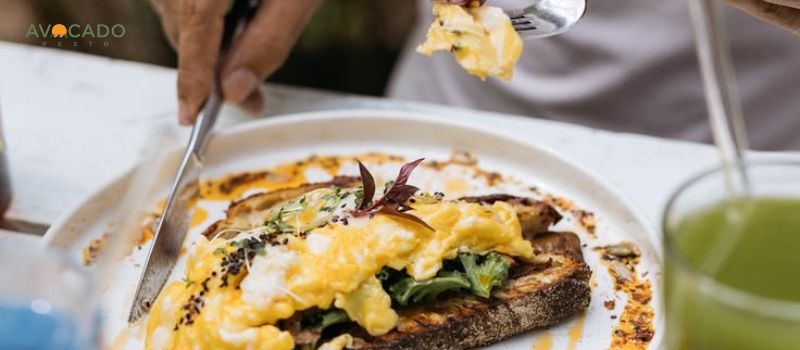
For those seeking nourishing meals in a calm and welcoming environment, Medewi continues to stand out through its simplicity and authenticity. A place like Avocado Resto perfectly represents this approach with thoughtfully prepared breakfast plates, quinoa salads, smoothie bowls, and grilled dishes made from fresh local ingredients. Combined with Medewi’s peaceful scenery and slower pace of life, it creates a dining experience that feels both satisfying and genuinely restorative after days spent surfing, exploring, or simply enjoying the natural beauty of West Bali.
アボカドレストラン
📍 Jl. Widuri Simpang Tiga, Medewi, Jembrana, Bali
📞 081338546264
✉️ eat@avocadoresto.com
🌐 www.avocadoresto.com