
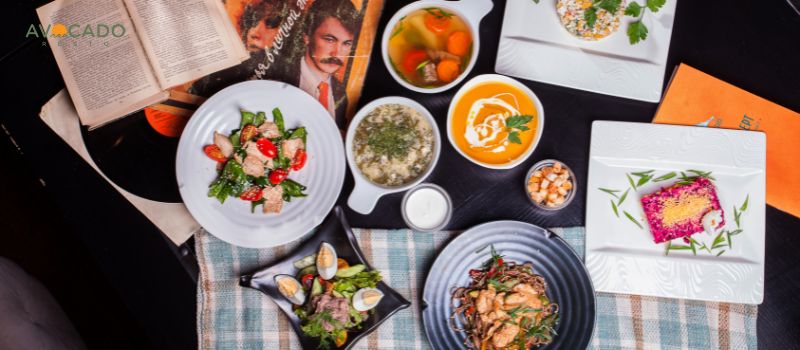
In the serene corners of West Bali, sustainability isn’t just a philosophy it’s a delicious habit. From the fishing boats of Medewi to the fertile terraces of Pupuan, local farmers and cooks are showing that mindful eating begins with small, thoughtful swaps. Each substitution shortens food miles, boosts nutrition, and preserves the island’s authentic flavors, proving that sustainability can taste as vibrant as sambal and as comforting as a plate of satay.
Why Food Choices Matter
An average imported meal in Bali travels over 1,500 kilometers before reaching your plate emitting as much CO₂ as a 10-kilometer scooter ride. According to studies by Indonesia’s Ministry of Environment, swapping even one imported ingredient for a local one can cut that footprint by up to 80%. The idea is simple: eat what grows nearby and is in season.
White rice imported from Java can easily be replaced by red or black heirloom rice from Jembrana’s subak fields. These unpolished grains retain 400% more fiber and anthocyanins antioxidants that balance blood sugar and fight inflammation making them perfect fuel for a morning surf or temple visit.
Sweet, Natural, and Local
Coconut sugar from Negara’s palm trees makes an ideal substitute for refined sugar. Harvested by hand and gently boiled into golden crystals, it offers trace minerals like zinc and potassium. With a glycemic index nearly half that of white sugar, it adds sweetness to pisang goreng without the crash. Buying locally also keeps revenue in village cooperatives that replant palms every year.

Palm oil, notorious for driving deforestation, can be replaced by cold-pressed coconut oil from Pekutatan. It’s rich in lauric acid known for its antimicrobial and energy-boosting properties—and requires far less land to produce.
Grains, Flours, and Proteins with Purpose
Imported wheat flour? Try cassava or rice flour milled in Gilimanuk. These gluten-free alternatives absorb less oil and provide resistant starch that supports gut health and immunity.
Meanwhile, bottled soy sauce often contains MSG and caramel coloring. West Bali’s traditional kecap manis, fermented in bamboo tubes using black soybeans and coconut sugar, delivers the same umami depth naturally and sustainably.
Here are simple, sustainable swaps to start today:
- Quinoa → Red rice: Higher in iron and grown locally.
- Avocado oil → Coconut oil: Fresh, aromatic, and heat-stable.
- Almonds → Peanuts: Local kacang tanah rich in antioxidants.
- Canned tuna → Fresh cakalang: Lower mercury, caught by line.
- Plastic-wrapped tofu → Banana-leaf tempe: Naturally fermented, zero waste.
Refreshing Drinks and Plant-Powered Meals
Freshly squeezed coconut milk replaces dairy, offering creaminess without methane emissions or packaging waste. Blend it with pandan for a tropical latte packed with electrolytes perfect for Bali’s humid afternoons.
For protein, jackfruit and mushrooms are emerging as plant-based heroes. When simmered in Balinese spices, young jackfruit mimics pulled meat, while sun-dried mushrooms from Pupuan add natural vitamin D. Studies show these swaps can cut dietary carbon emissions by over 50% while improving fiber intake.
Snacks and Coffee, the Conscious Way
Instead of packaged chips, try solar-dried salak crisps or banana slices from Negara. Rich in vitamin C and tannins, they satisfy cravings naturally without plastic waste.
Coffee drinkers can switch to Munduk’s shade-grown robusta. Cultivated under clove trees, these beans protect bird habitats and develop deeper flavors thanks to slower ripening. Brew tubruk-style to honor Balinese tradition and support agroforestry.

Even water can make a difference: replacing bottled brands with fresh young coconuts prevents an estimated 1.5 million single-use bottles from entering Bali’s landfills each year.
The Ripple Effect of Mindful Eating
Each small swap creates waves of change. Local sourcing supports family farms, increases biodiversity, and keeps money circulating in rural communities. A single hectare of diversified crops rice, jackfruit, and coconuts can sustain three families, compared to one under monoculture systems.
Cooking classes, eco-warungs, and villa kitchens in Medewi are beginning to embrace these swaps. Guests learn to press fresh coconut milk, wrap tempe in banana leaves, and turn kitchen scraps into compost. Sustainability becomes not a sacrifice but a celebration.
Health, Wellness, and Gratitude
Nutritionally, these swaps are a win-win. Fiber from red rice and jackfruit promotes satiety, probiotics from tempe strengthen gut health, and local produce reduces exposure to additives. Beyond physical wellness, mindful shopping at dawn markets fosters gratitude and connection, grounding visitors in Bali’s rhythm of life.
Athletes and surfers notice the benefits too healthy fats from peanuts and fresh fish fuel endurance, while mineral-rich salak and moringa support bone health and recovery.
A Delicious Path Toward Balance
In West Bali, sustainability doesn’t mean giving up flavor it means deepening it. Every choice at the market or the café can nourish both the body and the island. The journey begins not with grand gestures, but with everyday ingredients that honor the land, sea, and people who sustain them.
And perhaps no place captures this philosophy better than アボカドレストラン, where every dish is crafted around fresh, local produce and mindful preparation. From red rice bowls to plant-based satays, each plate celebrates the art of sustainable indulgence—proving that the easiest way to protect paradise is to eat with intention and joy.
アボカドレストラン
Jl. Widuri Simpang Tiga, Medewi, Jembrana, Bali
📞 +62 813 3854 6264
📧 eat@avocadoresto.com