
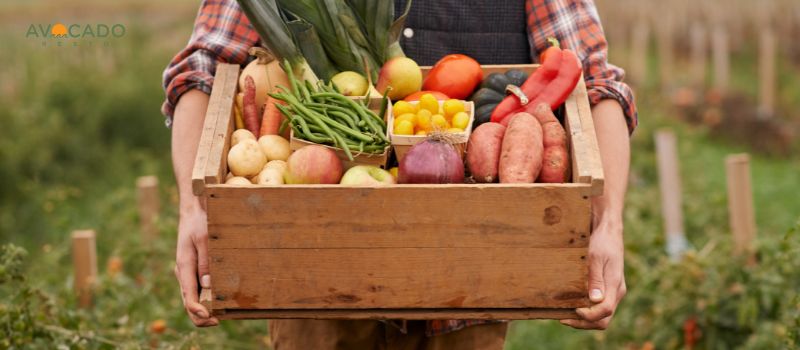
Local ingredients are the soul of Bali’s cuisine, turning the island’s fertile volcanic soil, ancient irrigation systems, and coastal abundance into dishes rich in flavor, nutrition, and identity especially in the tranquil western region, where small-scale farming still defines the rhythm of daily life. From the misty highlands of Pupuan to the black-sand shores of Medewi, farmers rise before dawn to harvest and deliver produce within hours, ensuring that every bite captures the island’s freshness and vitality. This farm-fresh movement isn’t a passing trend it’s a living revival of Bali’s subak heritage, where community-managed water temples sustain both ecosystems and culinary excellence.
Soil, Water, and Tradition in Every Grain
The subak system—a UNESCO-recognized irrigation network over a millennium old—channels pristine mountain springs through Jembrana’s terraced paddies. Here, heirloom rice varieties like red, black, and white thrive in volcanic soil, absorbing minerals that boost iron and zinc levels by up to 20% more than imported hybrids, according to Udayana University research. Crop rotation with legumes naturally enriches the soil, eliminating chemical dependence and allowing the rice to reach kitchens as fragrant and nutrient-packed as the land itself.
Morning Markets and Local Nutrition
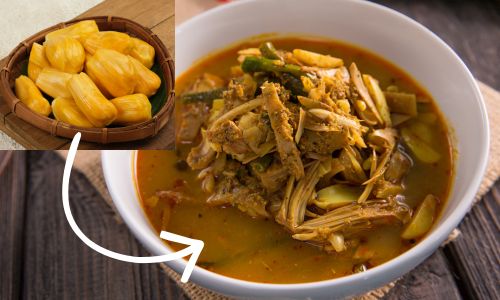
In Negara’s bustling morning markets, freshness takes center stage. Snake fruit from hillside orchards, its scaly skin hiding crisp, vitamin C-rich flesh, sits beside young jackfruit destined for creamy sayur nangka. These humble ingredients carry serious nutritional weight soluble fibers that balance blood sugar and antioxidants that protect gut health. Each purchase supports local families and temple ceremonies, keeping the economic and spiritual cycle intact.
Science Behind Freshness
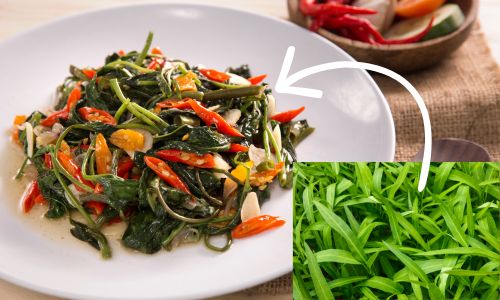
Culinary science proves what locals have always known: food tastes and nourishes better when it’s fresh. Greens harvested at sunrise retain up to 40% more folate than those stored for days. In West Bali kitchens, tumis kangkung pairs these greens with garlic grown nearby, combining plant-based iron and allicin for a perfectly bioavailable energy boost.
Flavor Maps of West Bali

Microclimates across the region shape distinct culinary identities. Highland Pupuan yields aromatic pandan with vanillin notes more potent than imported vanilla. Coastal Pekutatan produces sea-salt-tolerant peanuts roasted into kacang asin, delivering heart-friendly fats. At Balian Beach, line-caught mackerel lands in warung grills within hours, locking in omega-3s and freshness that rivals the famed Nordic diet.
Farm-to-Table Simplicity with Substance
Signature West Bali staples include:
- Red rice from subak paddies – rich in anthocyanins for cellular protection.
- Young jackfruit (nandhu) – packed with prebiotic fiber for gut balance.
- Moringa leaves (daun kelor) – the local superfood with all nine amino acids.
- Salak (snake fruit) – crunchy hydration loaded with natural electrolytes.
- Fresh tempe – a probiotic powerhouse fermented overnight in bamboo.
These ingredients turn simple home-cooked meals into nutritional masterpieces.
Sustainability as a Lifestyle
Across Gilimanuk and Tabanan, agro-tourism connects visitors directly to the land. Guests learn how freshly pressed coconut milk retains 50% more phenols when processed within 24 hours. Local chefs source 80% of ingredients from nearby farms, cutting carbon footprints by up to 70% compared to imported goods.
Women’s cooperatives lead much of this shift sorting beans, fermenting tempe, and preserving seed varieties that keep biodiversity alive. Over 50 types of rice now flourish across West Bali thanks to their dedication.
Culinary Rituals that Respect Nature
Cooking methods honor both heritage and health. Banana-leaf steaming locks in volatile flavors, while coconut-husk grilling infuses delicate smokiness without harmful residues. Seasonal cooking keeps balance: light, hydrating dishes in the dry months; warming spices and roots during monsoon.
Nothing goes to waste coconut shells become stove fuel, jackfruit seeds roast into magnesium-rich snacks, and rice water ferments into natural skin toners. Every byproduct finds purpose.
The Social Flavor of Fresh Food
Full-moon megibung feasts bring communities together, with farmers, families, and travelers sharing 20 dishes that reflect a collective pride. These shared moments nourish more than bodies they strengthen bonds and reduce stress, a natural harmony mirrored in every bite.
From Soil to Soul
Fresh, local food fuels body and mind alike. Red rice sustains focus, moringa keeps joints flexible, and post-surf jackfruit smoothies offer steady energy through natural pectin. Even modern chefs find inspiration in this rooted simplicity dehydrating salak into chips or crafting plant-based sauces from garden herbs without compromising authenticity.
As dawn breaks over the glistening paddies of West Bali, the farm-fresh revolution continues quietly but powerfully an ode to balance between people, nature, and nourishment. Here, cuisine isn’t just about taste; it’s a celebration of connection and respect for the land.
And perhaps nowhere embodies this harmony more vividly than アボカドレストラン, where every dish is crafted from the day’s freshest local harvest. From vibrant salads kissed with moringa to grilled fish seasoned with coastal herbs, the restaurant translates West Bali’s living farmlands into mindful, flavor-rich experiences that bring the island’s generous spirit straight to your plate.